
Still Have Tire Vibration? Try Road Force Balancing
August 16, 2026 · road force balancing · tire vibration · maintenance · wheel balance
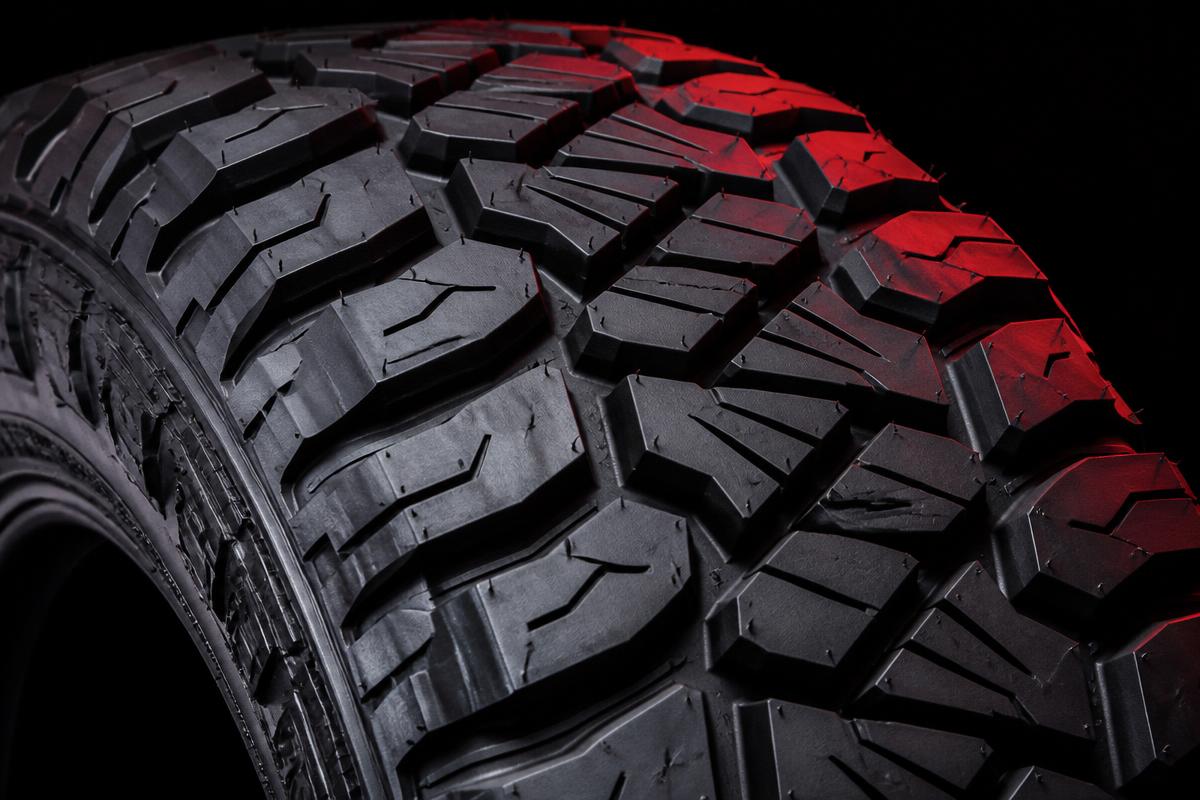
Every couple of weeks, somebody pulls into our bay with a look of pure frustration. They’ll lean across the counter and say, "I’ve had these tires balanced twice. Once where I bought 'em, and once at a dealership down on South Broadway. But as soon as I hit 65 on Highway 69 heading out of town, my steering wheel starts dancing."
They aren't crazy, and usually, the previous shops didn't mess up on purpose. They just hit the limits of a traditional spin balancer.
Why a Standard Balance Misses the Mark
A standard tire balancer does one main thing: it spins the wheel in mid-air and tells the tech where to hammer on or stick a lead weight. It measures weight distribution. If one side of the tire is two tenths of an ounce heavier than the other, the machine spots it, you stick a weight on the opposite side, and the wheel spins smooth as glass on the machine.
Here’s the catch: a tire never operates in mid-air.
Think about a solid rubber ball. It might be perfectly balanced weight-wise, but if one spot on that ball is harder rubber than the rest, it’s going to bounce funny every time that hard spot hits the pavement. Tires are built from layers of rubber, steel belts, and fabric cords. Sometimes a tire has a stiff spot in the carcass, or a slight variation in belt tension. A standard balancer won't catch that because it isn't pushing down on the tire.
What Road Force Balancing Actually Does
This is where Road Force balancing comes in. Our Hunter machine uses a heavy steel roller that presses directly against the tire tread while it spins—applying about 1,250 pounds of force. It simulates the actual weight of your truck or car rolling down Loop 323.
As the tire rotates under that load, sensors measure radial force variation (up-and-down push) and lateral force variation (side-to-side pull). It measures the tire in pounds of force, not just ounces of weight.
On a standard passenger car, you generally want that road force variation number below 15 pounds. On a heavy half-ton or 3/4-ton truck rolling on 10-ply tires, under 25 pounds is usually acceptable, though lower is always better. If a tire measures 35 pounds of road force, you are going to feel a hop at highway speeds no matter how many wheel weights you stick on the rim.
When we find a high road force number, the machine tells us how to fix it through a process called "match mounting." Every wheel has a slight low spot (a subtle imperfection in roundness), and every tire has a stiff spot. By breaking the tire beads down and rotating the rubber on the wheel—say, 180 degrees—we can line up the tire's stiffest spot with the wheel's low spot. They cancel each other out, dropping that 35-pound problem down to an acceptable 12 pounds without adding a single extra weight.
When the Problem Isn't the Balance
Sometimes, we pull an assembly off a truck and find the road force numbers are dead-on, but the driver is still fighting a vibration. That’s when we start playing detective.
Around here, East Texas weather and back roads like to throw us curveballs. If you’ve been pulling out of a pasture or running county roads in wet weather, you can easily end up with a couple pounds of dried Smith County red clay packed into the back barrel of a wheel. Rain washes off the outside, but that mud bakes hard on the inside of the rim under the summer heat. That’ll shake your teeth out at 60 mph.
Other times, it’s mechanical:
- Bent wheels: Hitting a deep washboard cutout or a pothole can warp the inner lip of an aluminum wheel without showing damage on the outside face.
- Lug torque and seating: If someone zips your wheels on with an air impact without hand-torquing them to vehicle specs—like 140 ft-lbs on a late-model F-150 or 100 ft-lbs on a midsize SUV—they can distort a brake rotor or seat a hub-centric wheel slightly off-center.
- Driveline issues: A worn U-joint on a driveshaft or a sticking brake caliper will mimic a tire vibration all day long.
As a general rule of thumb: if you feel the shake in your hands through the steering wheel, the issue is almost always in the front assembly. If you feel it in your seat, your floorboard, or the