Load Index vs Load Range: What You Need for Safe Towing
August 16, 2026 · towing · tire ratings · load range · truck tires
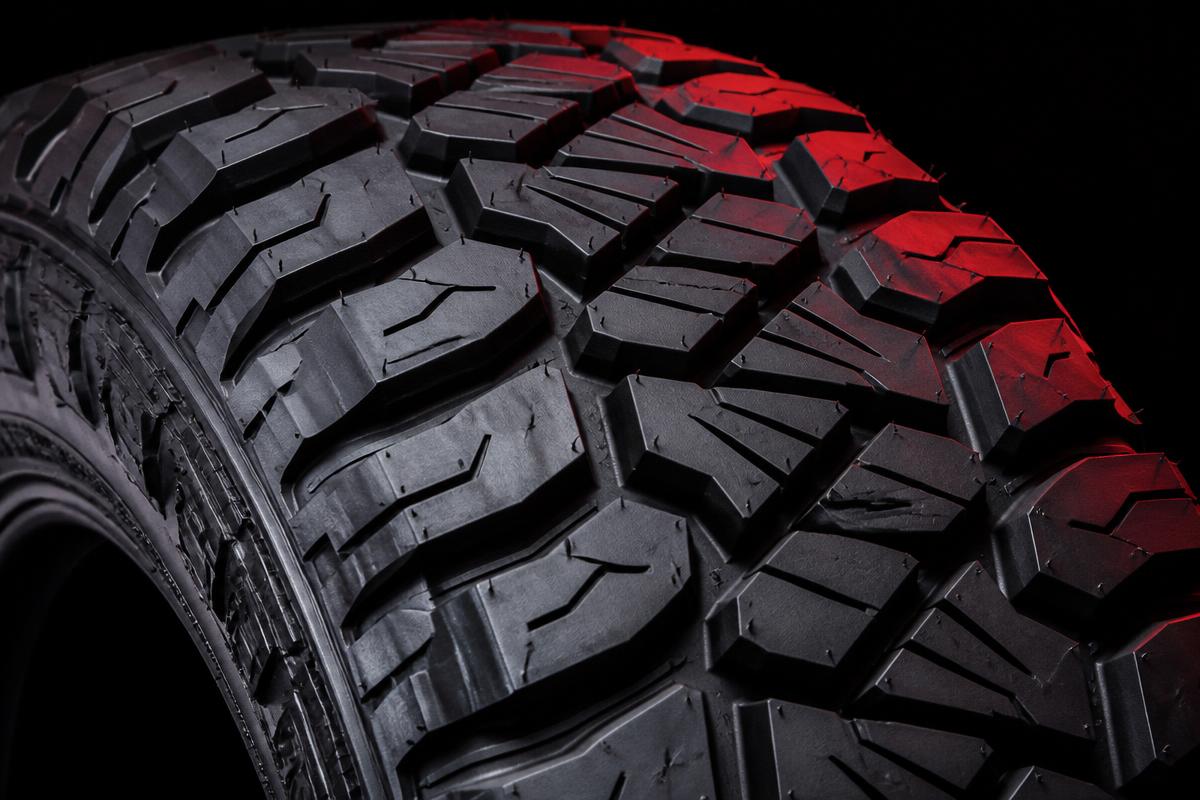
A fella pulled into the bay off Loop 323 last August pulling a heavy bumper-pull livestock trailer. Said he had a blowout on the rear axle of his half-ton right when the pavement temp was pushin' 140 degrees. The tread looked peeled off like a banana rind. He bought the tires online because the tread pattern looked aggressive, but he didn't look at the rubber's load specs. He was running a standard passenger tire under a load that called for a true Light Truck rating.
When you're hauling a tractor, a boat, or a load of dirt off a red clay county road out in Smith County, your tires are the only thing keeping that heavy rig stuck to the earth. Understanding the difference between Load Index and Load Range isn't just trivia—it's what keeps your trailer from passing you on Highway 69.
Load Index vs. Load Range: What the Markings Mean
Tire sidewalls speak in two different rating systems, and folks get them mixed up all the time.
Load Index is a two- or three-digit number stamped right after the wheel size. You might see something like 275/55R20 113H. That "113" is the Load Index. It corresponds to an industry chart that tells you exactly how many pounds that single tire can safely carry at its maximum recommended cold air pressure. A load index of 113 means 2,535 pounds per tire. A load index of 121 jumps up to 3,197 pounds per tire. Multiply that across your axles, and you are looking at a massive difference in towing stability and weight capacity.
Load Range uses letters—usually C, D, E, or F on light trucks and trailers. This is the older "ply rating" system. Back in the day, it told you how many layers of cotton canvas were built into the tire. Today, we use steel and radial plies, but the letter still tells you the tire's strength and maximum operating pressure.
- Load Range C: 6-ply rated, usually tops out at 50 PSI cold.
- Load Range D: 8-ply rated, maxes out around 65 PSI cold.
- Load Range E: 10-ply rated, built for heavy hauling and maxes out at 80 PSI cold.
If you're pulling heavy, you want a stiffer sidewall to control trailer sway and squirm. That's where a higher Load Range shines on a working truck.
Why the Texas Heat Cares About Your Sidewalls
Heat is the number one enemy of rubber, and East Texas summers don't show any mercy. When you tow a heavy load, the sidewalls of your tires flex as the wheel rotates. That flexing creates friction, and friction creates heat.
If your tire isn't rated for the weight you're carrying, or if you're running underinflated, that tire flexes way too much. On a cool morning, you might get away with it for a few miles. But when you're sitting in stop-and-go traffic on the Loop with 10,000 pounds pushing down on your frame and the asphalt baking, that excessive flex turns the inside of your tire into an oven.
The internal rubber bonding degrades, the steel belts separate, and that's when you end up on the shoulder with a shredded tire and a torn-up fender. Running the correct air pressure—checking it cold with a good gauge before you hook up—is critical. If your Load Range E tire calls for 80 PSI max to hold its full rating, running it down at 45 PSI means you've effectively gutted its carrying capacity.
The P-Metric Trap and Tongue Weight
Lots of modern half-ton trucks come straight from the factory riding on P-metric (passenger) tires. They ride quiet and soft, which is great for running errands, but they aren't built for heavy towing.
Here's a technical detail most folks miss: safety standards require tire ratings to be derated by roughly 10 percent when a passenger tire is installed on a pickup truck or SUV. If a P-metric tire says it's rated for 2,400 pounds on the sidewall, its actual rated capacity on your half-ton is closer to 2,160 pounds.
When you drop a loaded trailer onto your hitch, that tongue weight isn't spread evenly across all four truck tires. It transfers heavily to the rear axle. If you have 1,200 pounds of tongue weight sitting over the rear bumper, plus a bed full of gear, those rear passenger-rated tires are suddenly working right at their limit.
Switching from a factory P-metric tire to a true LT (Light Truck) tire with a Load Range E rating gives you thicker sidewalls, higher pressure capability, and way better stability when a passing semi throws a wall of wind at your rig.
Getting the Specs Right Before You Load Up
Matching tires to your vehicle and trailer isn't guesswork. You need to check the tire placard inside your driver's door jamb, know your Gross Axle Weight Rating (GAWR), and match your rubber to the heaviest job you plan to do. Always keep an eye on tread depth too—once an LT tire gets down around 4/32nds of an inch, its ability to shed rain and dissipate heat under heavy loads drops off fast.
If you aren't sure whether your current tires are up for hauling across the state or just down the road, roll on by Tire Barn Plus here in Tyler. We'll check your load ratings, inspect your sidewalls, and set your pressures. Or, if you're sitting at home looking at specs online, open up the chat on our site and ask Axle, our AI tire expert. He knows load formulas down to the number and can help you figure out exactly what your truck needs.